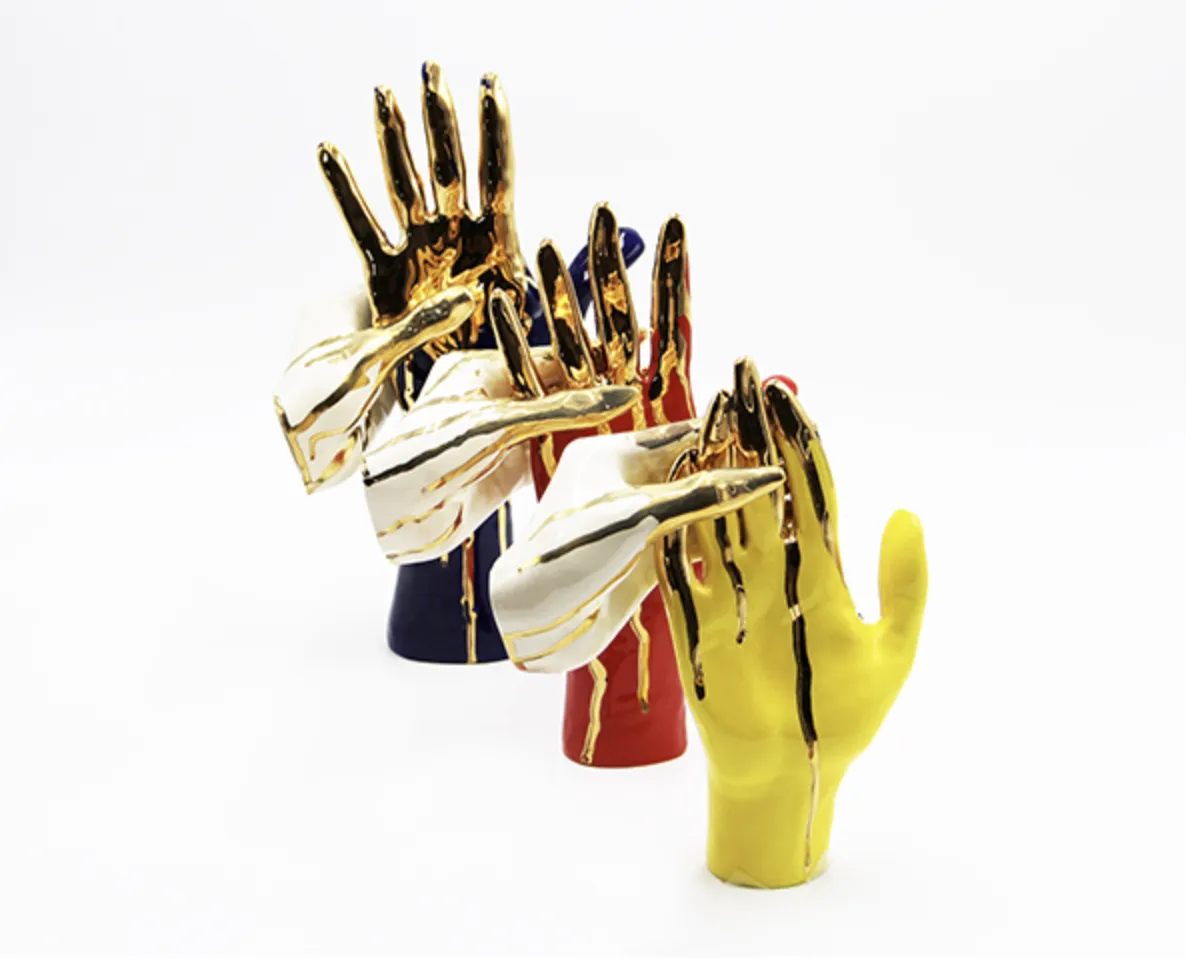
Seven Senses of Pleasure
When I was a child, I was taught that humans have five senses: sight, sound, smell, taste, and touch. That was an over simplification of the body that was plenty for my young mind to absorb, however not useful for this adult body doing very adult things.
Both neuroscience and somatic science recognize at least seven senses: the classic five, plus proprioception (body position, movement, and balance) and interoception (internal sensations, including arousal and autonomic nervous system states).
These seven senses are used for navigating the world and they are the primary channels through which our autonomic nervous system (ANS) decides whether we are safe, connected, and turned on, or whether we need to brace, shut down, or perform.
If you want to be amazing in bed—which for me means that you are deeply attuned, present, and erotic—you must learn to read and use all seven senses. When your senses are online and integrated, your ANS can drop into ventral vagal states of safety and connection, where pleasure, desire, and intimacy thrive.
This is a quick reference guide for you to better understand each of the 7 senses and how you can intentionally use them to build trust, depth, and unforgettable sexual experiences.

1. Sight (Vision)
This is the first way to "see" things. Your visual system detects light, color, movement, distance, and form. It informs your ANS by signaling signal safety (“I can allow") or threat (“I need to hide or perform”). For example, soft, inviting visuals help your nervous system relax, whereas harsh or unexpected visuals can trigger vigilance.
In pleasure and sex:
Lighting: Dim, warm light signals safety and intimacy. Harsh overhead lights can feel exposing and clinical.
Eye contact: Soft, sustained eye contact can deepen connection and signal “I am here with you.”
Visual cues: The way a partner moves, dresses, or undresses can be deeply arousing when it feels consensual and aligned.
Gaze as touch: Letting your eyes “caress” your partner’s body can be as intimate as physical touch.
The invitation: Before touching, spend 30–60 seconds simply looking at your partner. Notice what you see without judgment. Let your gaze be slow, curious, and appreciative.
2. Sound (Hearing / Audition)
This is what we "see" with our ears. Your auditory system detects pitch, volume, rhythm, and location of sound. and it informs your ANS primarily through context and meaning. This is why soothing sounds (soft voices, rhythmic breathing) support safety and connection and sudden, loud, or harsh sounds can trigger startle responses and pull you out of the moment.
In pleasure and erotic space:
Voice tone: A low, warm, slow voice can be deeply regulating and arousing.
Breath: Listening to your own and your partner’s breath helps you stay present and attuned.
Moans, sighs, words: Vocalizing pleasure communicates what’s working and builds trust.
Silence: Allowing space between sounds can heighten anticipation and presence.
A simple practice: During intimacy, pause and notice breath, moans, even the rustle of sheets. Let sound help you settle into pleasure, guiding your rhythm and pressure.
3. Smell (Olfaction)
This is how we "see" with our noses! Your olfactory system detects chemical compounds in the air, including bodily scents and pheromones. Smell is believed to be developed outside of the uterus, and that explains why it bypasses the rational brain and goes straight to emotional and memory centers. Familiar, pleasant scents can signal safety and desire; unpleasant or unfamiliar scents can trigger rejection or anxiety.
In pleasure and lovemaking:
Natural scent: Your partner’s natural body scent can be deeply arousing and bonding.
Perfumes and oils: Vanilla, patchouli, ylang-ylang, lavender, and certain food scents (like pumpkin pie) have been linked to increased arousal and blood flow.
Environment: Candles, essential oils, and clean linens can create a sensory “container” for pleasure but for some the scents can be overwhelming. Be mindful that cheap candles contain endocrine disruptors that may alert the nervous system and impact everything.
Smelling your partner: Taking in the scent of their skin, hair, or neck can deepen intimacy and presence.
Practice: Before touching, take a slow inhale near your partner’s hair, neck, chest and legs. Notice what arises in your body.
4. Taste (Gustation)
Your gustatory system detects sweet, sour, salty, bitter, and umami through receptors on the tongue, closely linked with smell. Taste is intimate and vulnerable, and for the ANS pleasant tastes can signal nourishment and safety, while unpleasant tastes can trigger rejection or gag responses.
In pleasure and lovemaking:
Kissing: The tongue is one of the most touch- and taste-sensitive parts of the body.
Skin tasting: Lightly tasting your partner’s skin (neck, shoulders, inner thighs) is deeply intimate as it creates memory and emotional connection. So yeah, the spaghetti thing is a real thing.
Flavor play: Using food (fruit, chocolate, honey) can add novelty and playfulness.
Hydration and diet: What you eat and drink affects how you taste and smell to your partner.
Erotic Play: During kissing, slow down and really taste your partner. Notice sweetness, saltiness, warmth. Let taste guide where you linger.
5. Touch (Tactition / Somatosensation)
Touch is the most direct regulator of the nervous system. Your tactile system detects pressure, temperature, vibration, texture, and pain through receptors in the skin and deeper tissues. After the fascia, our skin is our largest organ and it holds special nerve fibers that send signals directly to emotional brain areas. Pleasant somatosensory inputs trigger the release of oxytocin aka the love hormone. Warm, consensual, rhythmic touch signals safety and connection; rough, unexpected, or non-consensual touch can trigger defense responses.
In your erotic play:
Skin-to-skin contact: Releases oxytocin, a hormone that lowers stress and deepens trust, proving that physical touch physically alters human emotional connection.
Erogenous zones: Lips, nipples, inner thighs, neck, ears, and genitals have a much higher density of sensory receptors. This creates specialized pleasure zones because the brain dedicates more processing space in the somatosensory cortex to these specific regions.
Variety of touch: Light strokes, firm pressure, warmth, coolness, and different textures (silk, feathers, leather, hands) create a rich sensory palette.
Ghost touch: Hovering your hand just above the skin can create tingling anticipation.
Erotic Practice: Spend an entire session focusing only on touch—no genitals, no goal. Notice how different pressures, speeds, and textures affect your partner’s breathing and arousal.
6. Proprioception & Vestibular (Position, Movement, Balance)
Clear proprioceptive and vestibular input (knowing where you are, how you’re positioned, how you’re moving) supports a sense of embodiment, orientation, and safety. Confusion, dizziness, or disconnection from your body can trigger anxiety, panic, or dissociation.
Proprioception uses receptors in your muscles, tendons, and joints to tell your brain where your body parts are and how they’re moving—without looking. Vestibular sensation comes from your inner ear and detects gravity, acceleration, and head movement, helping you sense how you’re moving through space and maintain balance. Together, these senses give you a lived sense of: “Where am I? How am I positioned? How are we moving together?”
In pleasure and lovemaking:
Body awareness: Knowing where your hands, hips, and legs are helps you move with confidence and care.
Grounding through pressure: Firm pressure (hands on hips, backs pressed together, thighs wrapping) helps both partners feel more “in” their bodies.
Rhythmic movement: Rocking, swaying, thrusting, and undulating engage the vestibular system and can be deeply regulating and arousing when slow and intentional.
Position changes: Slow, conscious shifts in position help both partners stay oriented and safe.
Being held or supported: For some, the sensation of being held, held down, or supported can feel deeply secure and erotic.
Mirroring and synchrony: Matching your partner’s movements can deepen nervous system synchrony and trust.
Get curious:
Experiment with slow, rhythmic rocking together—standing, sitting, or lying down. Then try this:
One partner closes their eyes.
The other gently guides their body into different positions (e.g., “lean into me,” “lift your leg here”).
Notice how trust, clarity, and arousal shift when movement is clear, consensual, and embodied.
7. Interoception (Internal Sensations, ANS, Arousal)
Interoception is the most sexual of them all! It is your ability to sense what’s happening inside your body: heartbeat, breath, temperature, hunger, fullness, tension, relaxation, and sexual arousal and emotional tone.
In many somatic and trauma-informed models, interoception is considered the7th sense because it underpins how you know what you want, when you’re full, when you’re overwhelmed, and when you’re dropping out of your body. Interoceptive signals are the raw data your brain uses to decide: Am I safe? Am I turned on? Do I want more or less?
Wowrking to develope strong interoceptive awareness supports ventral vagal states of connection and desire, leading to sex with less confusion, numbness, or performing.
In pleasure and lovemaking:
Arousal mapping: Noticing where you feel arousal (genitals, chest, skin, whole body) and how it moves.
Edge awareness: Sensing when you’re approaching overwhelm, shutdown, or dissociation—and communicating that in real time.
Desire vs. duty: Distinguishing “I genuinely want this” from “I’m doing this to please/avoid conflict.”
Post-sex check-in: Tuning in to how you feel after intimacy: tender, open, drained, lit up, disconnected?
Co-regulation: Using breath, touch, and presence to help each other’s nervous systems settle into safety and pleasure.
Self-Practice:
During intimacy, pause and ask yourself:
What do I feel inside right now?
Where is my arousal?
Where is tension?
Bringing It All Together: The 7-Sense Lovemaking Practice
To be truly amazing in bed, you don’t need more techniques, you need more presence. And presence lives in the senses.
Try this simple framework:
Before: Set the scene with sight, smell, and sound in mind (lighting, scent, music or silence).
During: Cycle through the senses intentionally:
Look at your partner.
Listen to their breath and voice.
Smell their skin.
Taste them slowly.
Touch with variety and care.
Move with awareness of position, balance, and rhythm (proprioception & vestibular).
Check in with your internal state (interoception): arousal, safety, desire.
After: Use pillow talk as an opportunity to debrief with your partner:
Which senses felt most alive?
Which felt muted or overstimulated?
What helped you feel safest and most turned on?
Why This Matters for Erotic Trust
When you can name and use all seven senses, you become:
More attuned to your own arousal and boundaries.
More responsive to your partner’s subtle cues.
More capable of co-regulating each other’s nervous systems.
More skilled at creating erotic safety—the foundation of deep pleasure.
Sensory intelligence is the heart of being amazing in bed:
Your Invitation
This week, pick one sense to focus on during intimacy. Notice how it changes your experience, your partner’s responses, and your overall connection.
Over time, as you integrate all seven senses, you’ll find that “being amazing in bed” becomes less about what you do and more about how fully you show up in your body and with your senses.
If you’re interested in going deeper, I offer somatic workshops and coaching that train these exact skills: reading your senses, regulating your nervous system, and building erotic trust with yourself and your partners. Reach out if you’d like to explore working together.